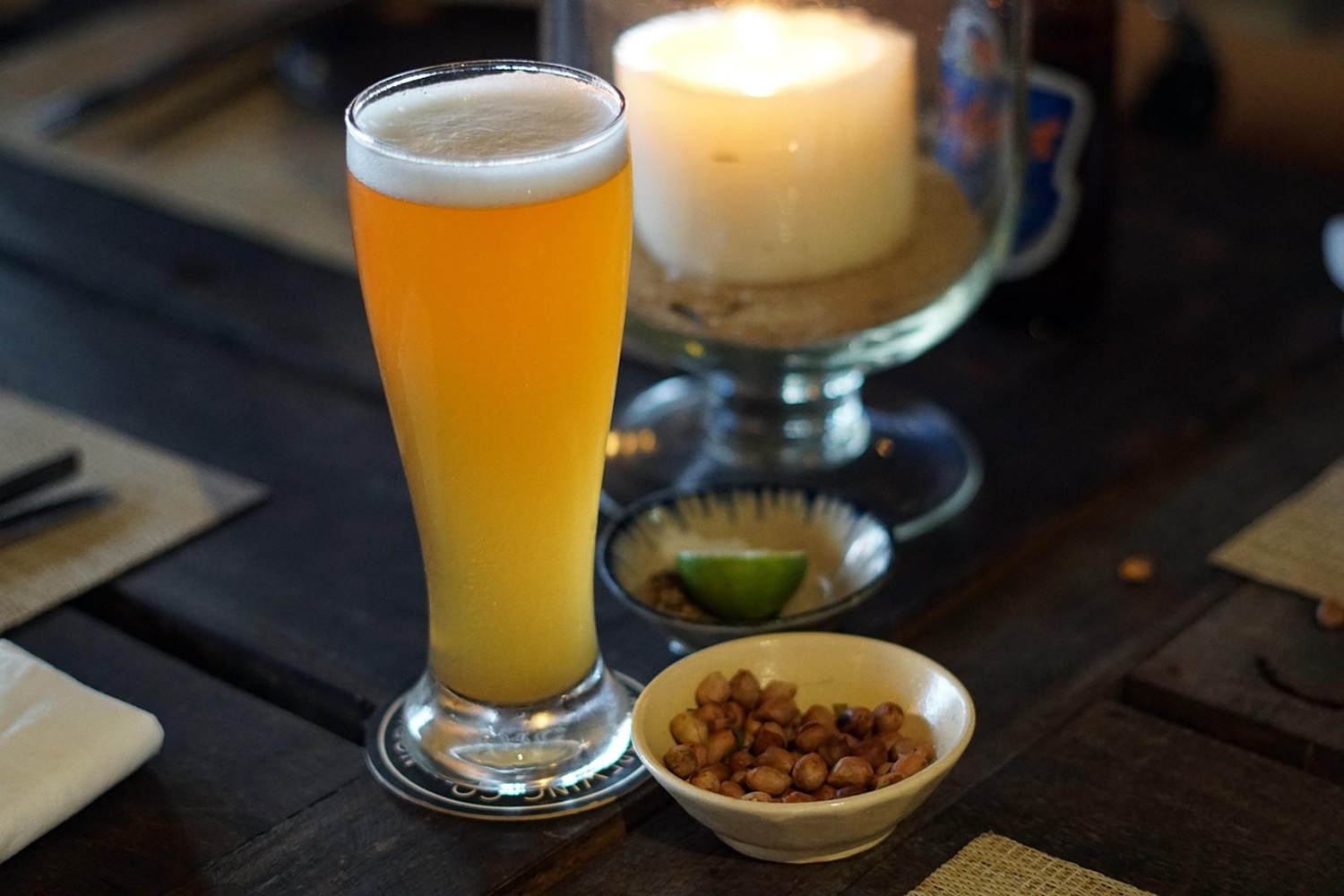
Thailand is taking a bold policy turn, and the world is watching closely. The government of Thailand is loosening long-standing restrictions on afternoon alcohol sales. According to BBC News, it now decides to allow alcohol sales from 11:00 a.m. to midnight for a six-month trial. Some take it as a remarkable strategic move to reignite its tourism-driven economy. However, many analysts raise a central question: Can Thailand’s new relaxed alcohol rules revive its tourism-driven economy?
There is no denying that this policy adjustment is more than a lifestyle convenience. It is indeed a noticeable economic strategy. The aim is to boost a sector that witnessed years of political uncertainty and fluctuating global travel trends.
It was 1972 when Thailand first introduced strict time-based limits on alcohol sales, especially during the afternoon hours. The intention was to stop or prevent government employees from consuming alcohol during the work hours. In short, the real purpose was to curb the daytime drinking practice among the government employees.
However, over time, this rule emerged as a notable inconvenience for millions of international visitors. For decades, tourists often didn’t have the chance to buy and cherish a drink during the hottest part of the day. Importantly, daytime is the best time when beaches and rooftop bars throng and leisure activities run in full swing.
Now, the new six-month trial period allows alcohol sales from early afternoon till the night. The government hopes that this new move will remove the pain point that barred the visitors from addressing the sultry day with tasty chilled beer and confirm boosting the tourist satisfaction.
In truth, relaxation in restriction means increasing enjoyment. It also confirms more spending in bars, restaurants, night markets, and entertainment venues. And this ensures the flourish of the tourism industries that are heavily dependent on free-flowing tourism revenue.
Economically, the timing of this decision inevitably matters. As a tourist-packed state, Thailand’s tourism sector always contributes a significant share to its GDP. The reality is even minor improvements in visitors’ spending can create ripple effects across hotels, transport services, local artisans, and food-and-beverage businesses.
The relaxed alcohol rules after a long-time restriction sends a strong positive message to travelers. It definitely translates a clear note that the country is ready to make the visitors’ experience smoother, especially during peak holiday periods like Christmas and New Year. These seasons always confirm the most lucrative period of the year when global tourism spending is at its highest.
The important thing is every decision faces criticism, and this move too unlocks a debate. Many public-health advocates question whether this said expanded access of alcohol may contribute to higher consumption levels especially in a country that is already known as one of the Asian states with highest drinking rates.
Many others wonder whether eased alcohol restrictions may unlock the door to an extreme tourism competition. They say that removing restrictions is enough to shift tourism numbers in a competitive regional landscape. Moreover, several Asian countries, like Vietnam, Japan, and Malaysia, may push aggressive tourism campaigns in order to stay in the top spot.
Yet, from an economic standpoint, Thailand has every right to adhere to a broader strategy for better financial sustainability. The country also has the right to create a policy that aligns with a comprehensive plan to regain its pre-pandemic status as one of the world’s most visited destinations.
A friendlier regulatory environment often influences traveller choices. It hugely impacts the young tourists who often seek festive atmosphere, recreational experiences, and hassle-free enjoyment. Furthermore, the relaxed rules help local businesses flourish faster with increasing operational flexibility. It even boosts average customer spending.
Currently, the relaxed alcohol rules are on the 6-month trial period and this specific duration is undeniably a real-time performance test period. And if the government’s committee observes real gain in tourism revenue and business income as well as visitors’ satisfaction, the relaxed rules will up the passage for turning it into a permanent policy.
If the government’s committee observes measurable gains in tourism revenue, visitor satisfaction, and business income, then the new relaxed rules may become a permanent policy in the coming days. And, If the rules don’t get that transition then meaningful adjustments may emerge with better options.
Thailand consistently works to strengthen its global travel appeal. And, without any doubt, the new relaxed alcohol rules could be one of several coordinated steps that aim to reinvigorate the country’s economic momentum.
Now, whether this move becomes a definitive catalyst will completely depend on measurable outcomes over the next 180 days.
Also read:
Zimbabwe’s Tobacco Roots Run Deep—but Blueberries Are Sprouting Promise