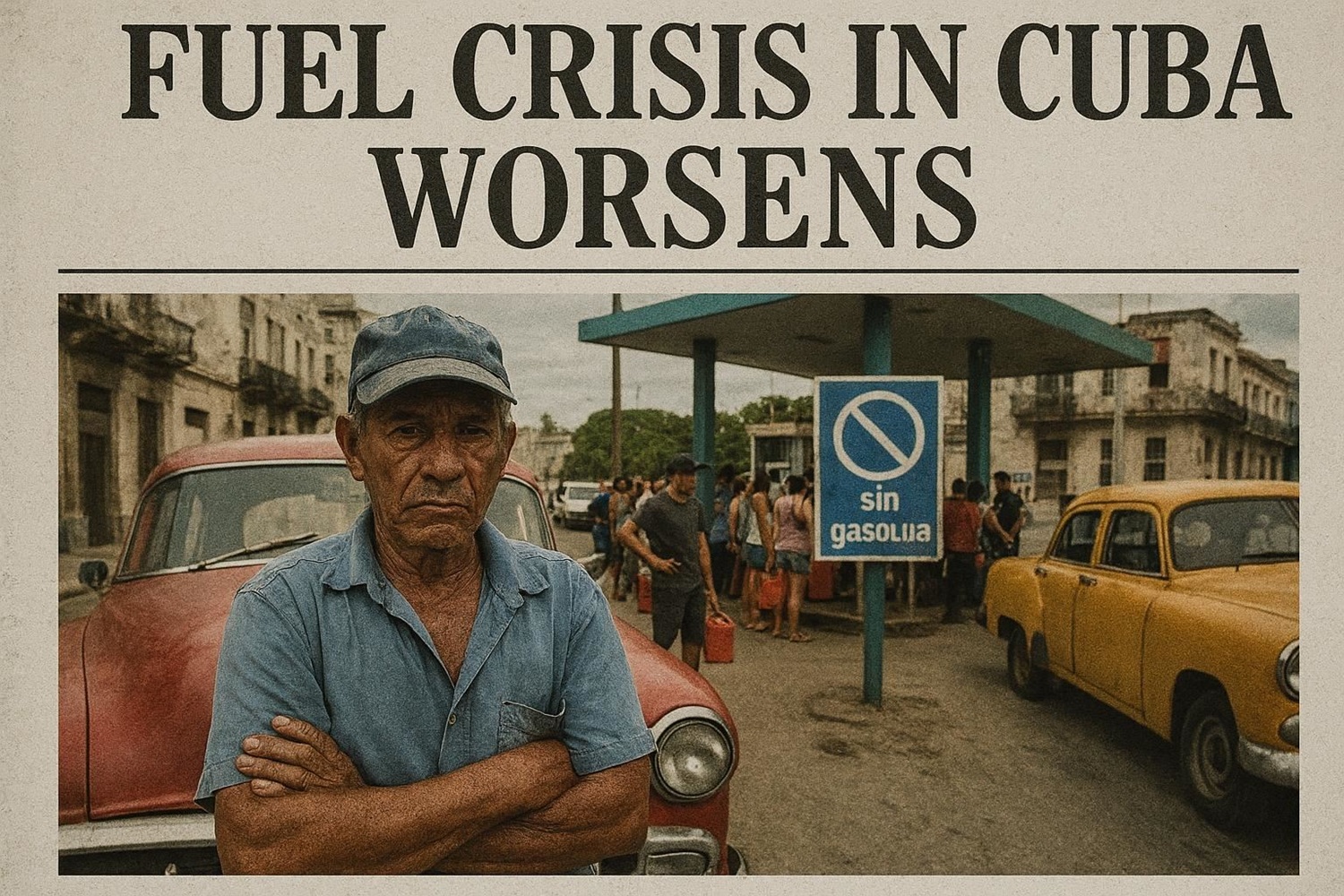
The fuel crisis in Cuba has taken a new turn when, only a few days ago, a fire broke out at a major oil refinery in Cuba’s capital. Undeniably, it raises fresh concerns about the island country’s already fragile energy supply.
According to BBC News, the blaze was brought under control with a quick response. Also, no injuries were reported at the site.
However, the rising of thick smoke over the city due to this fire was acutely visible. It undeniably highlighted that the fuel system of Cuba has become vulnerable.
The fire occurred at the Ñico López Refinery. This refinery is a key facility located near the harbor in Havana. The officials from Cuba’s energy ministry said an investigation is underway in order to determine the actual cause behind this incident.
The crucial fact is this incident took place near the area where oil tankers had been docked. Naturally, the blaze created panic and unlocked concerns regarding the safety and reliability of fuel operations.
Importantly, this event happened at a time when Cuba is facing a fuel crisis with intense external and internal pressures. Undeniably, the recent fire in the refinery station in the capital city aggravated the impact of the said fuel crisis.
Venezuela was the main source of oil for the island country. However, after the recent turmoil in Venezuela, the supply of the fuel has fallen sharply.
Previously Venezuela sent tens of thousands of barrels of oil per day to Cuba. And it helped to keep power stations and transport services running in the Caribbean Island country.
But recent political actions have disrupted these flows. The United States has intercepted oil shipments. In addition, the USA imposed restrictions that were specifically linked to events surrounding the former Venezuelan leader Nicolás Maduro.
Moreover, the USA President, Donald Trump, has warned Cuban authorities and asked to make new agreements. And, if Cuba fails to make new agreements, then it will have to face the continued economic pressure.
There is no denying that these moves have intensified the fuel crisis in the Caribbean Island country by cutting off one of its most reliable sources of imported energy.
In reality, the impact of the entire happening on daily life has been significant. Yes, fuel shortage has impacted heavily. Because of this, electricity shortages have affected hospitals, dialysis centers, and water pumping stations.
Transport services have also been reduced. Furthermore, crucial aviation fuel shortages have forced some airlines to suspend or limit their flights to the island.
Some available reports say that the UK Foreign Office issued some essential travel advisories. It has cautioned people against non-essential trips to Cuba by mentioning that rationing and service reductions are now widespread.
However, some other reports also state that the Cuban authorities have introduced fuel rationing and adjusted operations in extremely essential sectors such as healthcare, education, and tourism.
These steps are intended to conserve energy. But, at the same time, they also uncover the crucial reality of how severe the fuel crisis in Cuba has become. Many Cuban citizens think that this means fewer public services and simultaneously longer waits for essential resources.
After the recent fire at the Ñico López Refinery, international concern is also growing. The human rights experts of the United Nations have criticized restrictions on Cuba’s oil imports. They call these restrictions an extreme form of economic pressure.
Volker Türk, the human rights chief of the UN, has expressed serious concern about the humanitarian consequences due to prolonged fuel shortages.
Among these concerns, one piece of good news is that despite the political tensions, humanitarian aid has begun to arrive. Ships that are carrying emergency supplies from the neighboring countries have reached Havana’s port. It undeniably offers some relief.
However, it is also true that such assistance does not replace the steady flow of fuel, which is essential to power and boost the country’s economy.
The bottom line is the refinery fire has added urgency to an already complex situation. The fuel crisis in Cuba is triggered by infrastructure challenges, international sanctions, and shifting alliances.
It is true that the blaze itself caused no casualties. But the unavoidable reality is it has unveiled the crucial truth that energy security in Cuba remains tightly linked to global politics and regional relations.
Also read:
Can Thailand’s New Relaxed Alcohol Rules Revive Its Tourism Economy?
Image: It is a concept image to define the subject matter