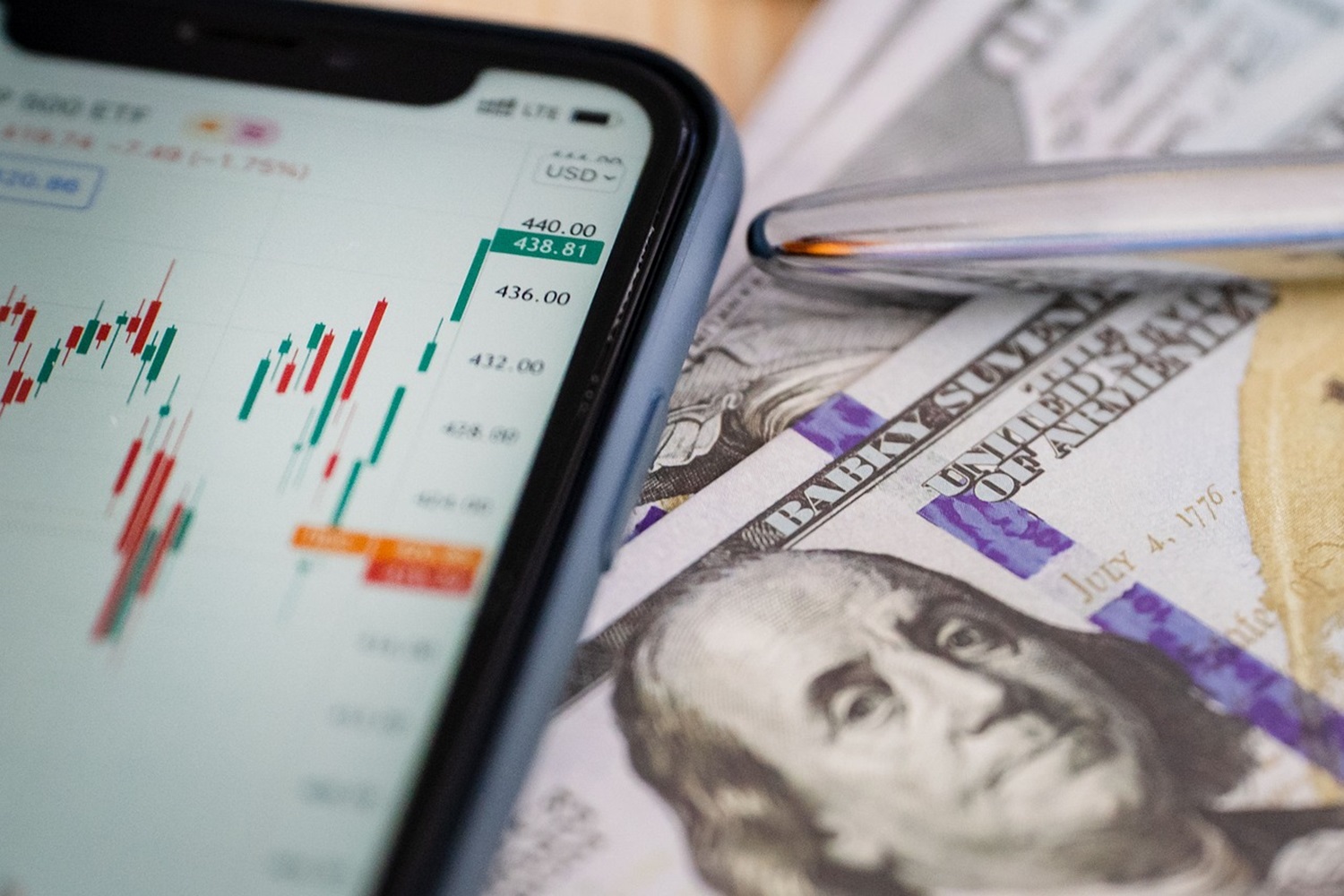
Micro-investing apps have changed the trade for people wanting to save up for retirement by being easy to use, cheap, and open to everyone. In some—but not total—contrast, while antiquated saving methods are falling behind because of increasing living expenses and economic instability, these apps step in as the marvelously novel option.
They attract students and anyone seeking an easy, adaptable manner to manage their money. If you have a smartphone and some extra money, these apps make entering the financial scene—previously dominated by those with a large amount of money and knowledge—doable. Now, without needing a large amount of money or investing knowledge, users can slowly add to their wealth through the months and years.
Accessibility for All Investors
Micro-investing apps let almost anyone start saving for retirement with just $1. Before, you needed an inordinate percentage of money and knowledge to invest, so a large number of people just couldn’t do it. By making investing simple and opening it to everyone, these apps are seriously changing things when it comes to saving for retirement.
They’re really helpful for beginners and those not making a large amount of money, who used to feel like they couldn’t be part of saving money for retirement. The apps offer easy-to-understand platforms and teach you what you need to know, so taking charge of your financial future isn’t so worrisome after all. Given all of this, a sharp and informed reader wouldn’t be surprised.
Encouraging Consistent Saving Habits
The idea behind micro-investing apps is to help people save money without feeling the pressure. They do this with wonderful tools that save your change from when you buy items, make automatic deposits, and send you personal reminders to stay organized. When you’re buying your morning coffee and the round-up function starts, it takes your leftover cents and puts them into your investment.
After a while, that small amount of money turns into a much larger sum. It’s not only just about saving strikingly large chunks of cash at once; it primarily bears on making it a regular thing, which is key if you want to have a good amount stored away for when you’re older. The final analysis will, (unsurprisingly), reveal that these apps are a sharp and informed way to go, especially for those who don’t make a large amount of money but still want to grow their retirement fund, little by little.
Educational Benefits for Novice Investors
Micro-investing apps don’t simply help you save money–they teach you about investing and how to successfully manage your cash smartly. They’ve created a major amount of easy-to-grasp tutorials, articles, and hands-on tools that make the worrisome world—as massive as it is—of finances seem significantly less daunting, even if you’ve never tried the stock market before.
For people who find traditional investing ways worrisome or very hard to understand, the basic potential exists to seriously enhance their financial approach through these apps. Users start feeling more secure about their choices, knowing what goals are actually reachable and how to hold to a plan that will grow their bank accounts over the years.
These apps really shine by boosting confidence among users in handling their future funds, including thinking through the complexities of the best moves for retirement savings.
Adaptability to Modern Lifestyles
Today’s technology-savvy crowd finds micro-investing apps unfathomably handy because they mesh well with how they live. You can keep an eye on your investments and adjust them at any time, all from your phone. In addition, a lot of these apps let you pick your own investment portfolios that can include items you care about, such as investing in a manner that’s good for society.
These apps often work together with well-known financial services too, which means everything to do with your money can be managed in one spot. This type of flexibility might be very important because it lets people focus on saving for retirement without blundering up their everyday lives.
Impact on Long-Term Financial Security
By getting into micro-investing apps early and remaining connected with it, people can really start to see their money grow thanks to compounding returns. Through the months and years, this might well end up in a pretty large increase in wealth. Not only holding to one type of investment, these apps help users spread their money around in different places, which is smarter because it means not keeping everything in one place—and possibly having improved outcomes.
This method, even people who had a hard time saving money before are now in a much safer place to have some security when they retire. Now, considering many people can no longer rely on phenomena such as traditional pensions, and even social security is uncertain, it’s easy to see how using these apps to build a retirement fund is becoming more of a simple choice.
Micro-investing apps aren’t only about saving money; they play a strikingly large part in teaching their users how to invest wisely and pushing them to keep at it regularly. In short, these apps are making a difference in saving for retirement by making it easier to understand and get into, helping people build good habits, and schooling them along the path.
The future seems very promising for these apps because technology is always moving ahead, making them an even better tool for anyone trying to make sure they’ve obtained enough money when retirement comes along. The certainty of this fact may not be rock solid–but it’s hard to deny the growing, wide-reaching results of micro-investing apps on people trying to secure their financial future.
(Image by Oleksandr Pidvalnyi from Pixabay)
Also read:
Payment Apps Are Not Banks: Why Your Money Deserves Better Protection