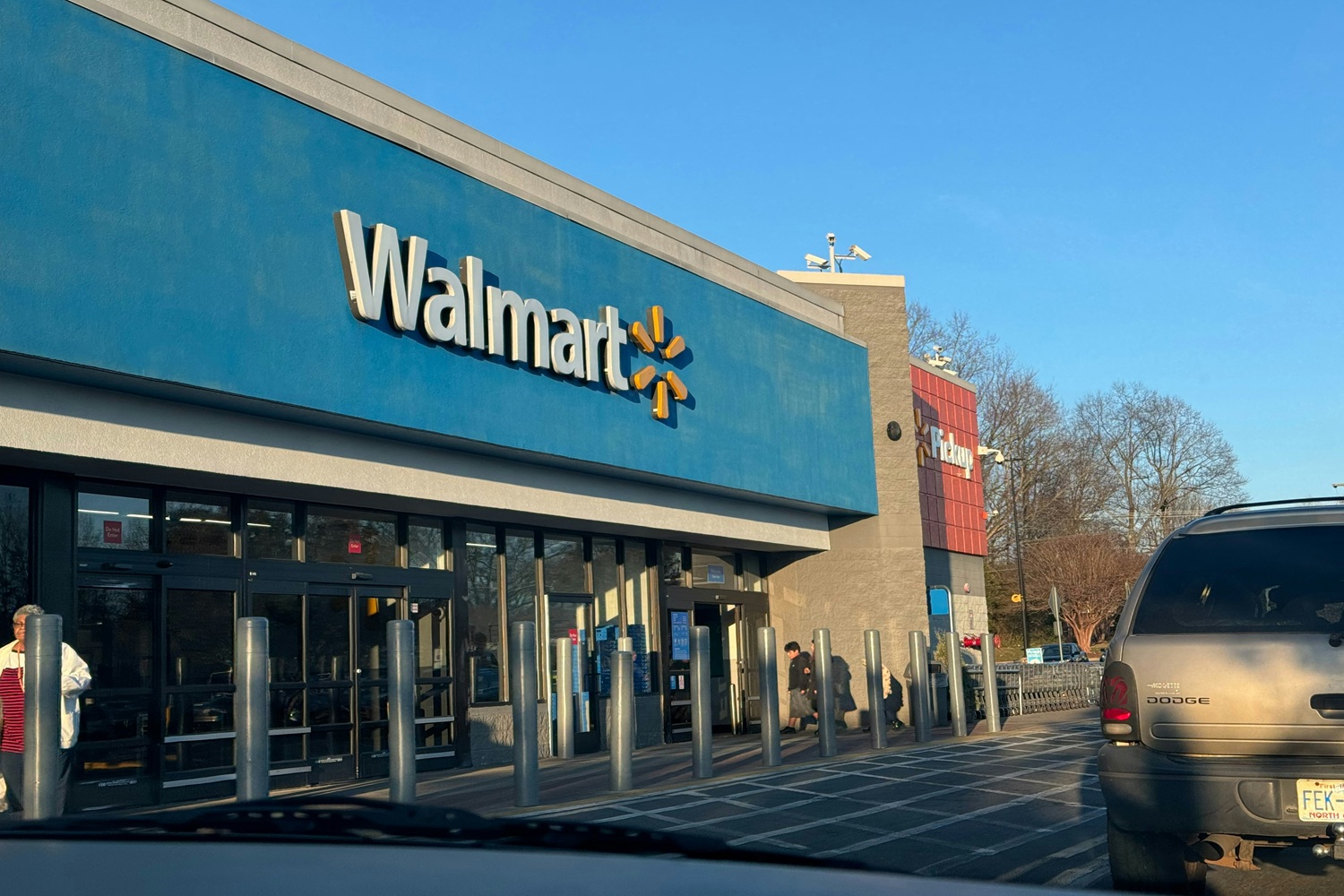
The recent Walmart fuel price warning discussions are now becoming an important topic in the financial world as rising petrol costs start affecting consumer spending habits across the United States.
Inflation and economic uncertainty were already challenging households for the last several years. And the recent surge in fuel prices is now creating additional pressure on everyday Americans. There is no denying that this recent rise in fuel prices is linked to tensions in the Middle East.
According to a report originally published by BBC News, popular retail giant Walmart believes higher petrol prices could slow consumer spending in the coming months. Notably, many economists and investors are now taking this warning seriously.
From a business aspect, Walmart’s recent comments matter far beyond the retail sector. Walmart is one of the world’s largest retailers as well as the biggest private employer in the United States. Also, it often acts as a real-time indicator of consumer financial health.
Now, these are some reasons why when the company notices and pinpoints shifts in spending behavior, financial analysts usually see it as a broader signal about the economy itself.
When Fuel Costs Rise, Everything Else Feels Expensive
One of the biggest problems with rising petrol prices is that they quietly affect almost every part of daily life.
And due to this, on the one hand, consumers spend more money while filling their vehicles. And on the other hand, transportation costs increase for businesses, suppliers, and logistics companies.
Undeniably, these higher operating expenses eventually lead to increased prices for groceries, household products, and other essentials.
According to market data mentioned in the BBC News report, average petrol prices in the US climbed sharply. It is indeed the result of the ongoing conflict that involved Iran and the disruptions connected to the Strait of Hormuz. It is a well-known fact that the Strait of Hormuz is one of the world’s most important oil shipping routes.
Now, as wholesale oil prices surged globally, American consumers immediately started feeling the impact at fuel stations. Even a moderate fuel price increase can significantly change spending priorities for lower- and middle-income families.
Furthermore, many households begin reducing non-essential purchases. They often postpone major buying decisions or search for cheaper alternatives in order to manage their monthly budgets.
Why Walmart’s Warning Matters to Investors
Walmart’s financial performance itself remains relatively strong. Even in recent times, the company reported billions in quarterly profits and a sharp, continued sales growth. However, the concern is not about current earnings. The issue is about future consumer behavior.
The company executives reportedly warned that spending growth between May and July may slow noticeably. They indicated that the temporary financial relief from tax-related refunds begins fading, and this can ultimately slow down the said spending growth.
This is indeed a very crucial matter because consumer spending drives a large portion of the US economy. The biggest concern is if millions of households begin cutting back at the same time, then the impact can spread across multiple industries that include retail, travel, entertainment, and restaurants.
Many investors reacted negatively to Walmart’s cautious outlook because the company’s shares reportedly declined after its forecast was released.
Financial markets often respond strongly when major corporations like Walmart signal weakening consumer demand because it raises fears about slower economic growth ahead.
The Bigger Business Picture Behind the Headlines
The current business picture is not merely limited to retail spending. The situation further highlights how global geopolitical tensions can quickly influence or impact even domestic economies.
One simple truth that nobody can ignore is geopolitical conflicts that affect oil-producing regions often create severe ripple effects throughout supply chains around the world.
In addition, businesses that depend heavily on transportation, manufacturing, or imported materials usually face higher costs during periods of energy instability.
It also emerged that Walmart even reportedly warned that prolonged disruption around the Strait of Hormuz could eventually impact agricultural supply chains, including the availability of fertilizer and phosphate. And, if that happens, then food prices could face additional upward pressure in the coming future.
Now, this entire scenario clearly demonstrates how modern economies are deeply interconnected. It is really shocking to see how a geopolitical crisis that takes place thousands of miles away can eventually influence or impact supermarket prices and consumer confidence, as well as household spending patterns in different countries and corners of the earth.
Nowadays Consumers Are More Value-Conscious
There always appears one interesting trend during economic uncertainty. Modern shoppers start thinking deeply and often become more focused on value and discounts. The amazing part is large retailers like Walmart even sometimes benefit from this crucial shift. Yes, this is true, and the reason is consumers look for lower-cost shopping options when budgets tighten.
However, despite this shopping trend, discount retailers are not completely protected from changing economic conditions. If fuel prices and living costs remain elevated for an extended period, then there must be a high probability that eventually businesses in every sector may experience slower customer spending.
Walmart’s warning may serve as more than just a retail update for now. But the company’s words are a simple reminder of a crucial reality: that energy prices, geopolitics, and consumer confidence always remain closely tied together in today’s global economy.
Image source: Photo by KDavid Montero on Unsplash
Also read:
Energy Shockwave: How a Global Gas Disruption Could Reshape India’s Fuel Future