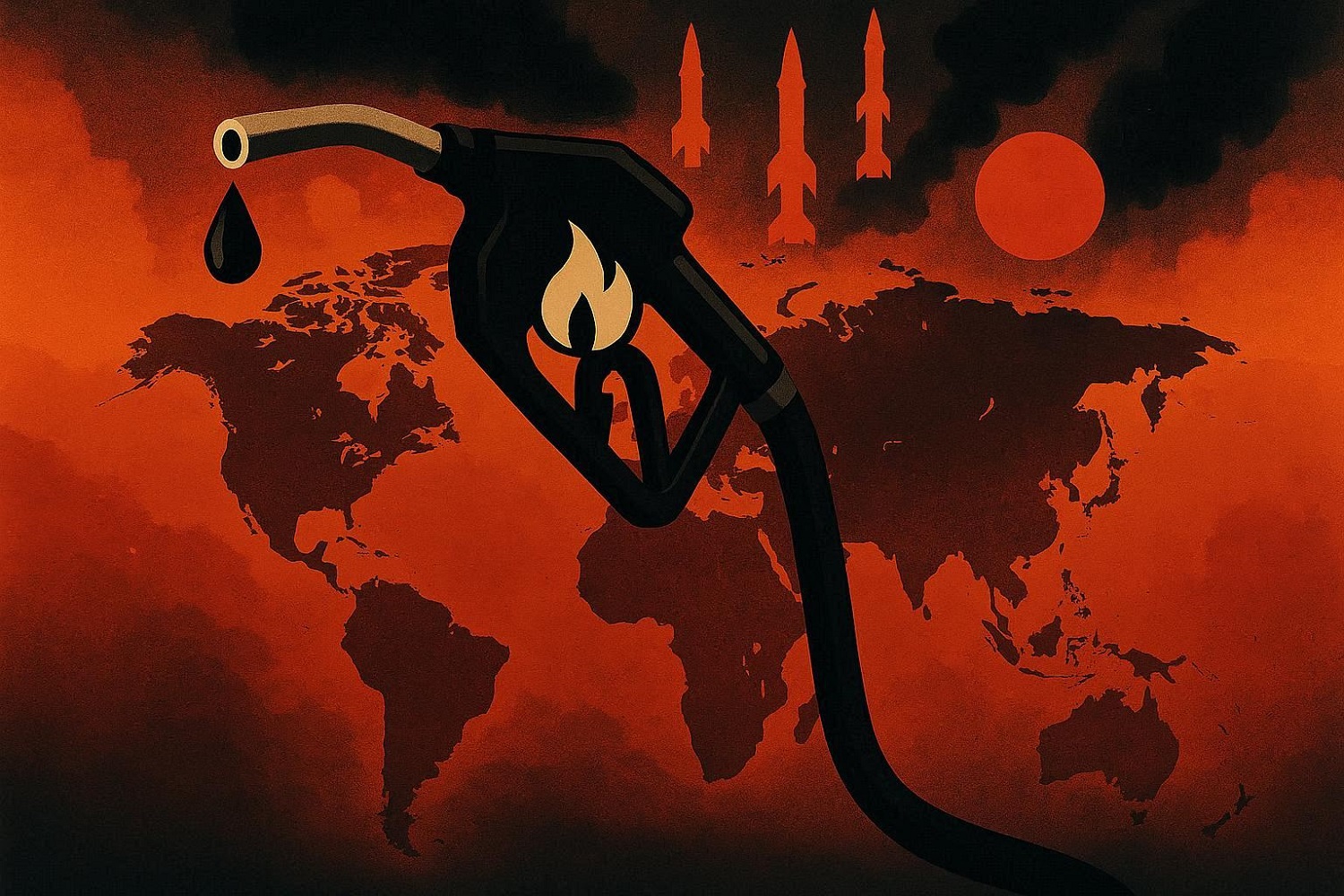
The Iran war has already triggered global gas disruption. And this disruption escalates tensions that uncover a strong probability of sending shockwaves across energy markets, especially in countries like India. Also, there is a big chance that India may soon feel the pressure in a very real way.
India is one of the world’s largest energy importers. Moreover, this Asian country depends heavily on liquefied natural gas (LNG) to power industries and generate electricity, as well as to support urban households. However, prolonged supply constraint could force the country to once again embrace more polluting fuels like coal and oil.
Fuel Crisis: A Return to Dirtier Alternatives
In the current time,the immediate aftermath of the global gas disruption is the tightening supply of natural gas in international markets. Now, it is a crucial truth that Iran plays a strategic role in global energy routes. Additionally, the bitter reality is any conflict in this particular region surely increases the risk of disrupting the essential shipping lanes and supply chains. And this means higher LNG prices and limited availability in India.
One irrefutable verity is industries and power plants often shift to fuels that are cheaper and domestically more accessible, like coal or diesel, especially when gas becomes scarce and more expensive. India has already made progress in increasing the share of cleaner fuels in its energy mix. However, a sudden shortage could reverse these gains. And this shift not only increases carbon emissions but also worsens air pollution. No doubt, the pollution impact must be very strong, particularly in the already vulnerable urban regions.
Indian Economy: Rising Costs and Inflation Pressure
The global gas disruption is not just an energy issue. Honestly, it has deep economic consequences. Yes, higher fuel costs translate directly into increased production expenses in essential arenas like fertilizers, steel, and manufacturing. In addition, this can lead to a rise in the prices of essential goods and simultaneously ensure fueling inflation.
India is still walking as a developing economy in the world arena. As a result, energy demand is constantly growing in this country. Therefore, such disruptions can strain government budgets. On the other hand, subsidies for fuel and fertilizers may need to be increased in order to protect consumers. That means additional pressure on fiscal resources. Moreover, the rupee could weaken if energy imports become significantly more expensive. In addition, it may possibly widen the trade deficit.
Furthermore, small and medium enterprises or SMEs may face severe challenges as they always remain sensitive to cost fluctuations. Also, decreased profitability could lead to slower economic growth. It could even result in job losses in some important sectors.
Environmental and Strategic Concerns
Apart from the economic issues, the global gas disruption also raises some serious environmental and strategic concerns for India.
There is no denying that returning to coal-heavy energy production undermines the country’s commitments about reducing carbon emissions and combating climate change. Also, this could badly impact India’s global standing in climate negotiations. Moreover, it could delay the country’s transition initiative to sustainable energy.
On a strategic level, the crisis highlights India’s vulnerability to geopolitical conflicts. Furthermore, it uncovers how extreme dependence on imported energy ultimately exposes the nation to some serious risks that are beyond the country’s control.
Undoubtedly, this situation must unlock a strong chance that countries like India must enhance efforts to diversify the energy sources. There is indeed a strong possibility that the current circumstances could compel the country to invest more in renewable energy. Also, it could push the land to strengthen its domestic production capabilities.
Conclusion
The global gas disruption indicates, and concomitantly reminds, how interconnected global events can reshape national priorities. And when the question emerges from a national aspect, India faces a big challenge of maintaining a strong balance for immediate energy needs with long-term sustainability goals.
It is true that in the current situation, the Asian country may find no choice but to embrace a temporary shift to pollution-creating fuels like coal and others.
However, one good thing is this unwanted situation pinpoints the need and urgency of creating a more resilient and more promising self-reliant energy system.
Also read: